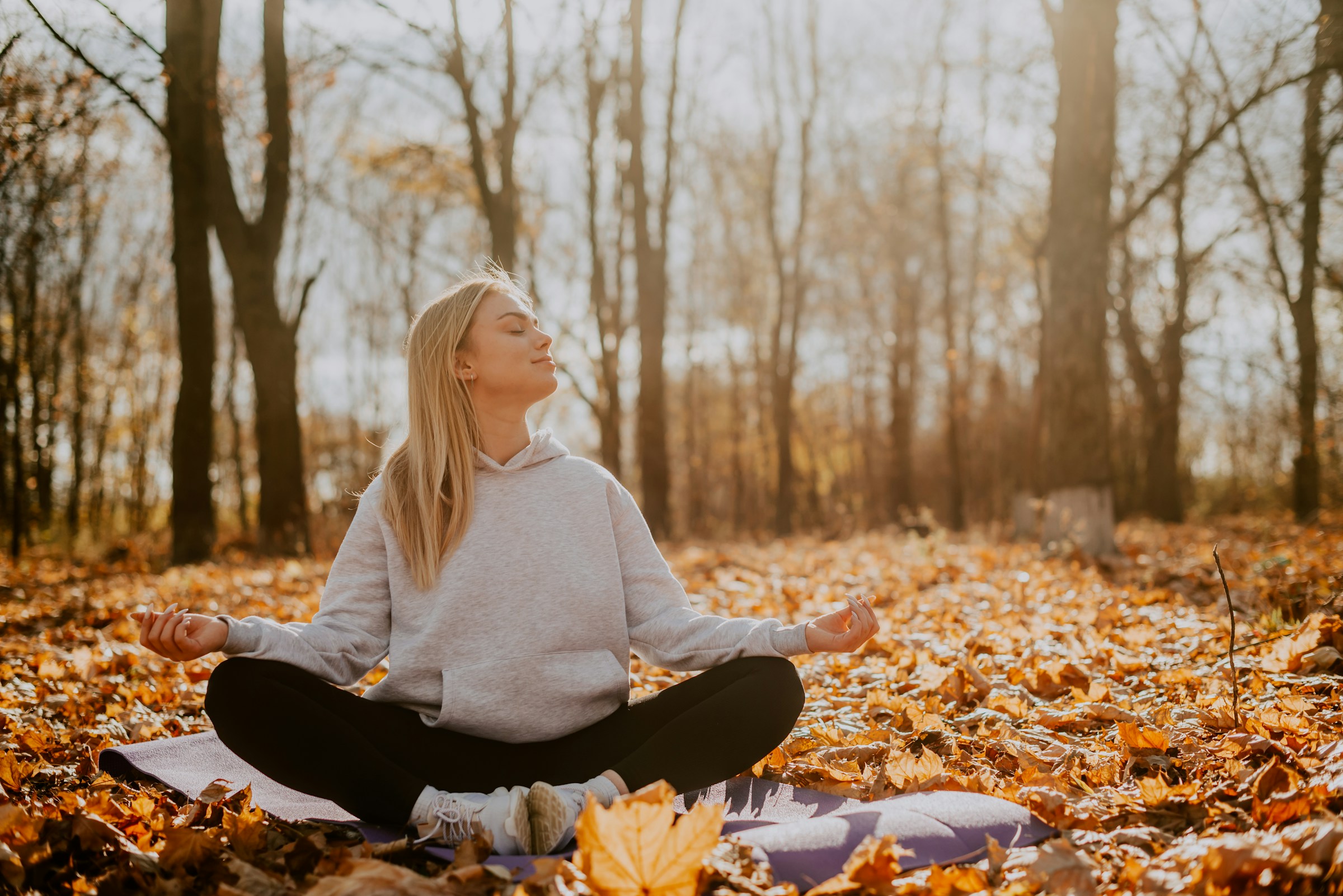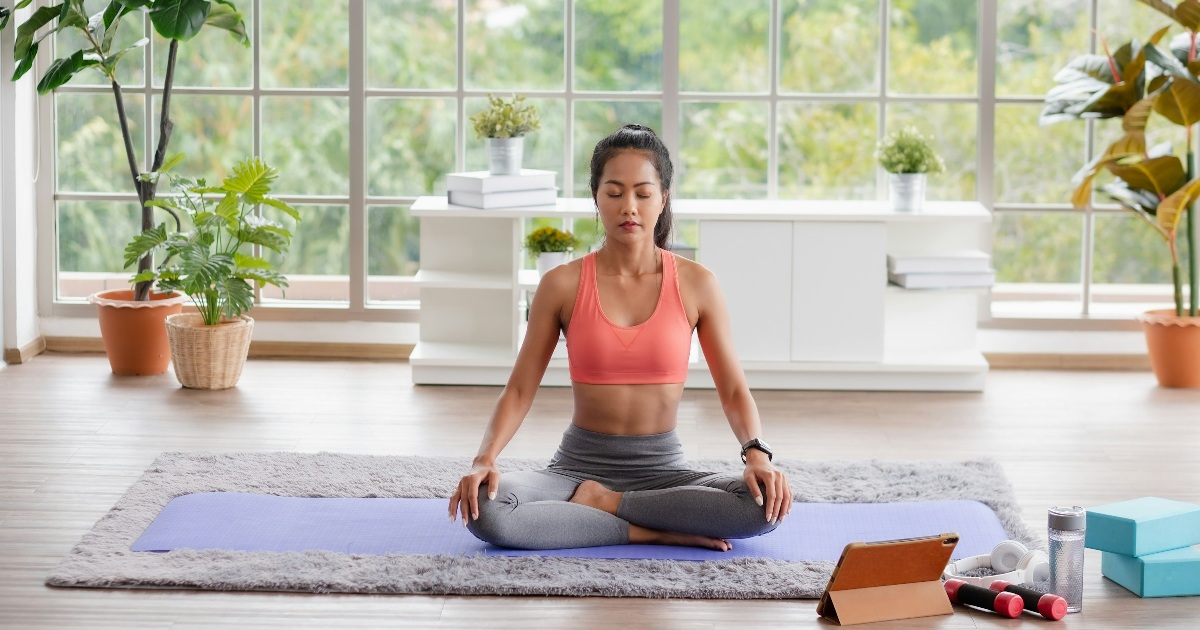
Calm in 60 Seconds: 2 Simple Breathing Exercises You Can Do at Your Desk
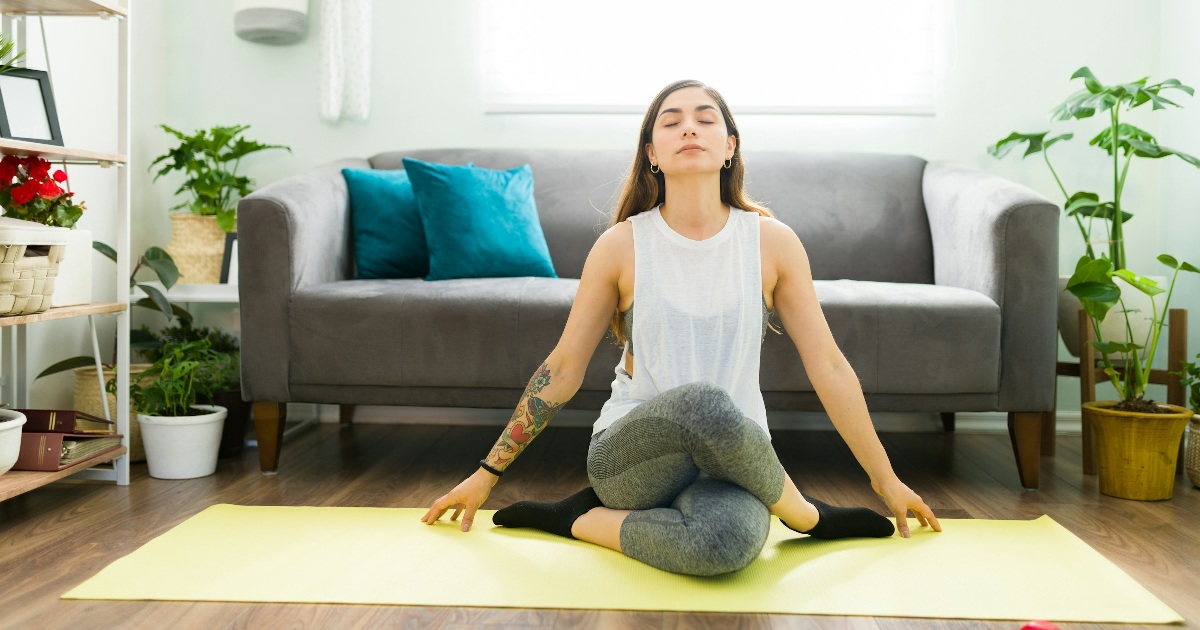
Stress can hit you anywhere: during a meeting, in traffic, or even before an important deadline. You don't always have time to stretch or do complex meditations.
This is where quick and discreet breathing techniques come in. These methods are "invisible" to those around you but extremely effective for instantly regaining your balance and focus.
1. Triangular Breathing (The 6-6-6 Technique)
This method is ideal for balancing and grounding. You can mentally visualize a triangle while breathing, which also helps focus your attention.
- Inhale slowly through your nose for 6 seconds.
- Hold the air in your lungs for 6 seconds.
- Exhale slowly and controlled for 6 seconds.
Repeat 5-10 times. The equal rhythm and retention pause send calming signals to the brain, stopping impulsive reactions.
2. Equal Breathing (Sama Vritti)
The simplest form of conscious breathing, perfect for beginners or situations where you need to pay attention to something else (e.g., driving or working at a computer).
- Inhale counting to 5.
- Exhale counting to 5.
There are no pauses. You create a continuous flow, like a pendulum. This rhythm of approximately 5-6 breaths per minute is considered optimal for cardiac function and mental clarity.
When to Use These Techniques?
- Before a presentation: To get rid of voice trembling.
- When you receive a stressful email: Before responding, do 3 cycles of triangular breathing.
- In traffic: Use equal breathing to stay calm in traffic jams.
Just 1-2 minutes of practice is enough to transition from a state of agitation to one of control and clarity.
Helpful questions about this article
01. Which breathing exercise can I do discreetly at my desk?
Simple patterns like equal breathing or triangular breathing work well at a desk because they do not require a special posture and do not draw attention to you.
02. How quickly can I notice a regulating effect?
Sometimes even 60 seconds can reduce agitation and restore some focus. The effect is not identical every time, but short repeated practice helps more than waiting until you already feel overwhelmed.
03. When is the best time to use these exercises?
You can use them before a meeting, after a tense email, in traffic, or whenever you notice yourself entering a reactive state. The goal is to create a clearer transition, not to force calmness.