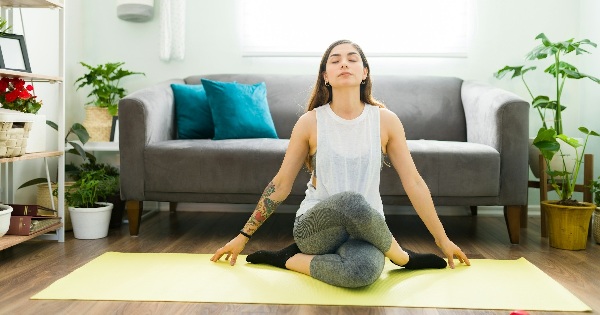
The 4-7-8 Breathing Technique: A "Natural Tranquilizer" for Anxiety and Quick Sleep
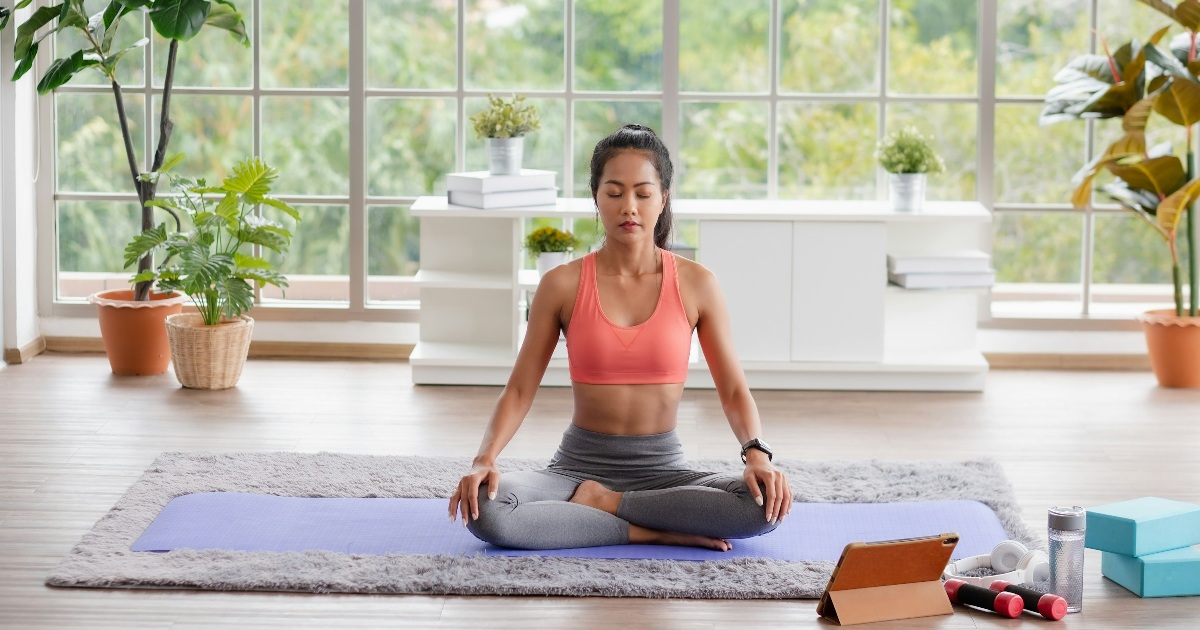
A step-by-step guide to the famous 4-7-8 technique, ideal for people with sleep problems or acute anxiety.
How it helps:
- Recovery Relax the body with an exercise suited for evenings, sleep, or moments of alertness.
- Emotional regulation Calm anxiety intensity through a simple rhythm without complicated steps.
Do you feel overwhelmed by worries or have trouble falling asleep at night? The 4-7-8 breathing technique, popularized by Dr. Andrew Weil, is considered one of the most powerful methods for instant calming.
It's simple, free, and works by changing the body's internal chemistry, forcing the nervous system to relax. Here's how to practice it correctly.
How Does the 4-7-8 Method Work?
The secret of this technique lies in the ratio between inhalation, retention, and exhalation. The extended exhalation (8 seconds) is the key: it activates the body's relaxation response much more efficiently than normal breathing. Holding the air allows for better blood oxygenation, while the long exhale eliminates carbon dioxide and accumulated muscle tension.
Step-by-Step Guide: How to Practice 4-7-8 Breathing
You can do this exercise sitting in a chair (with a straight back) or lying in bed if you want to fall asleep.
- Preparation: Relax your jaw and place the tip of your tongue on the roof of your mouth, just behind your upper front teeth (keep your tongue there throughout the exercise).
- Inhalation (4 seconds): Close your mouth and inhale slowly through your nose, mentally counting to 4.
- Retention (7 seconds): Hold your breath for 7 seconds. Stay relaxed, don't force it.
- Exhalation (8 seconds): Exhale completely through your mouth, making a slight sound (like a "whoosh"), counting to 8. Feel the air leaving your lungs and your abdomen contracting.
Repeat this cycle 4 times.
Use this technique twice a day or whenever you feel anxiety taking over.
Helpful questions about this article
01. Does the 4-7-8 technique work the same way for everyone?
No. For some people it feels deeply calming, while for others it can seem too structured at first. That is why it helps to test it gradually instead of turning it into a performance task.
02. Can I shorten the timing if I am a beginner?
Yes. If the breath hold feels too difficult, you can reduce the timing while keeping the same ratio. What matters most is controlled pacing and comfort, not perfect numbers on day one.
03. Is it better for sleep or for anxiety in the moment?
It can help in both contexts, but the response depends on the person. Some people use it best before sleep, while others rely on it during acute tension when they need a clear breathing anchor.

Adrian Simionescu
Technical Founder | Artificial Intelligence Expert
Technical founder and artificial intelligence expert focused on critical, structured thinking and model-oriented tools for self-understanding. He uses AI as a clarifying tool, not a substitute for human judgment.
Edited and reviewed by Illusim Research Team